
Windows & Doors in Hale
Trafford’s own appraisal says Hale’s original window frames and glazing have remained remarkably intact, with limited plastic replacement. That is unusual, and worth protecting.
Windows and doors for Hale and Hale Barns
Hale is the one place we work where the council singles out how well the original windows have survived. Trafford’s Hale Station appraisal records that original and historic window frames and glazing have remained remarkably intact, with limited modern plastic replacement — and says plainly that uPVC on historic buildings is inappropriate.
The stock behind that is late 19th and early 20th century speculative villas on the streets off Ashley Road, built between the 1860s and 1910s with deep bays and tall sashes in polychromatic brown, red and white brick. South Hale adds semi-detached and detached houses from the 1840s onward in red and brown brick, some rendered, where Trafford records a high level of architectural integrity and detail. Some are architect-designed — Royd House on Hale Road, by Edgar Wood, is the area’s Grade I listing.
Ashley Heath is similar: 1850s to 1908 large detached houses where many properties still have their original windows and doors, along with ridge tiles, finials and black and white timber detailing.
Hale Barns is different again, and worth separating. Trafford’s adopted design code singles it out for grand detached villas it calls unique in the borough — large properties in established tree-lined streets, and with no conservation area of its own.
- Straight advice where original joinery is worth keeping
- Deep bays and tall sashes surveyed properly, not assumed
- Certass accredited, CPA insurance-backed guarantees
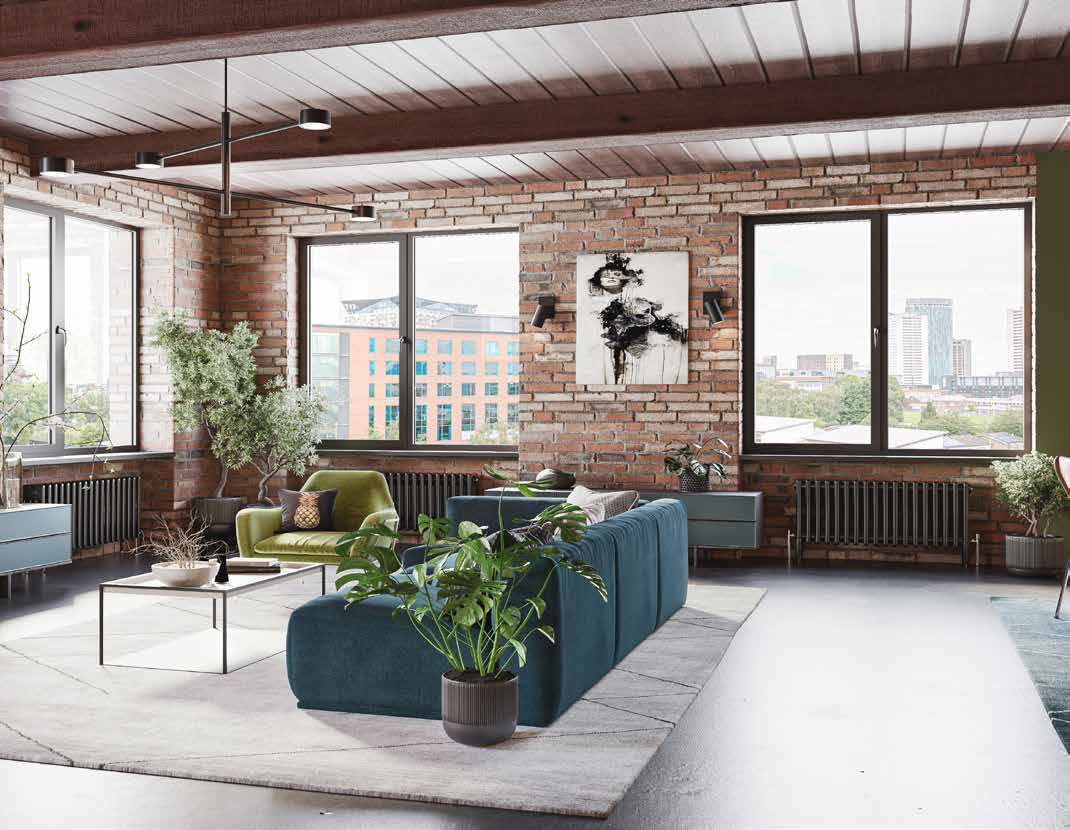
What we typically fit in Hale
Ashley Road speculative villas
Detached and semi-detached, 1860s to 1910s, with deep bays and tall sashes in polychromatic brown, red and white brick.
South Hale and Ashley Heath
Large houses from the 1840s and 1850s onward where Trafford records high architectural integrity — many still with original windows and doors.
Hale Barns
Grand detached villas the adopted design code calls unique in the borough, in established tree-lined streets — and with no conservation area.
Three conservation areas, and no Article 4
Hale has three conservation areas of its own — Hale Station, South Hale and Ashley Heath — which is worth saying because they are often lumped in with Altrincham’s. Trafford’s appraisal explicitly places Ashley Heath within the township of Hale.
None of them carries an Article 4 Direction. Trafford’s published coverage is limited to the Linotype area, parts of The Downs and eight individual buildings, so in Hale replacing windows on a house normally remains permitted development.
That does not mean it is a free hand. The council’s own appraisals record how much original fabric survives here and state that uPVC on historic buildings is inappropriate, so a replacement that harms the character of the area is something it can act on. Hale Barns has no conservation area at all, so no heritage controls apply there. Royd House is Grade I listed and any listed building needs consent regardless.
The local planning authority for Hale is Trafford Council. If you are not sure whether your property is affected, check with them before ordering — we are happy to help you work out what to ask.
- Three conservation areas: Hale Station, South Hale, Ashley Heath
- None carries an Article 4 Direction
- Hale Barns has no conservation area — no heritage controls there
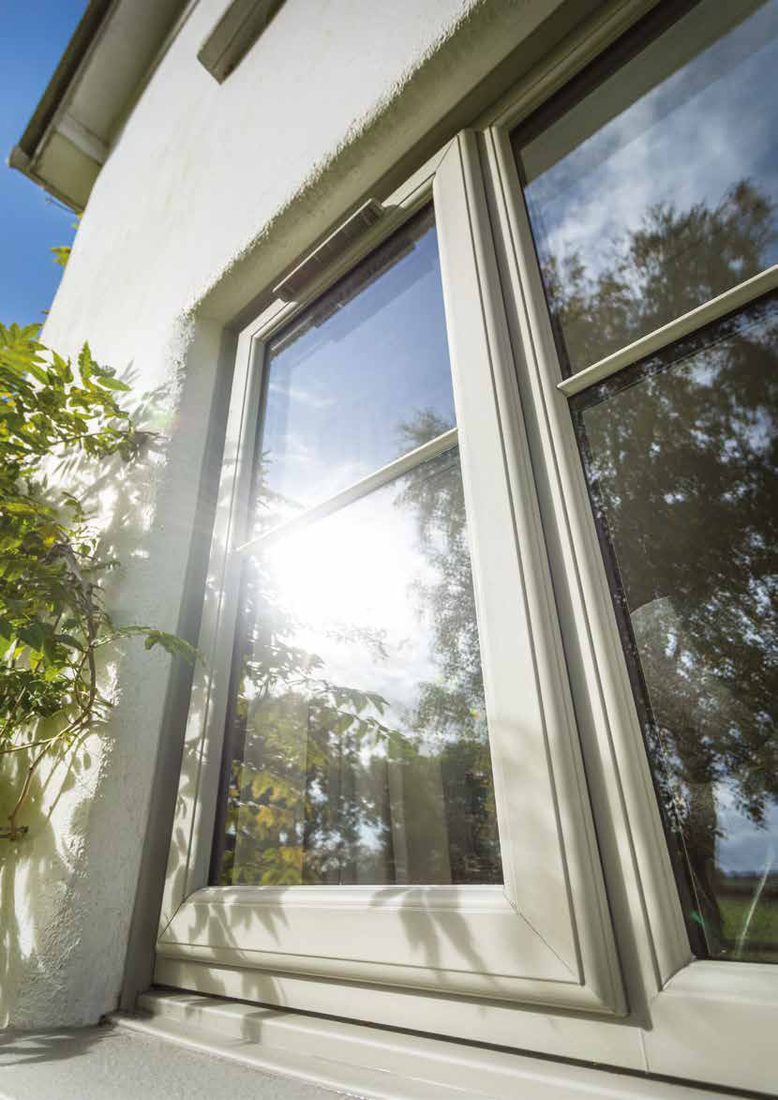
Windows, doors and glazing in Hale
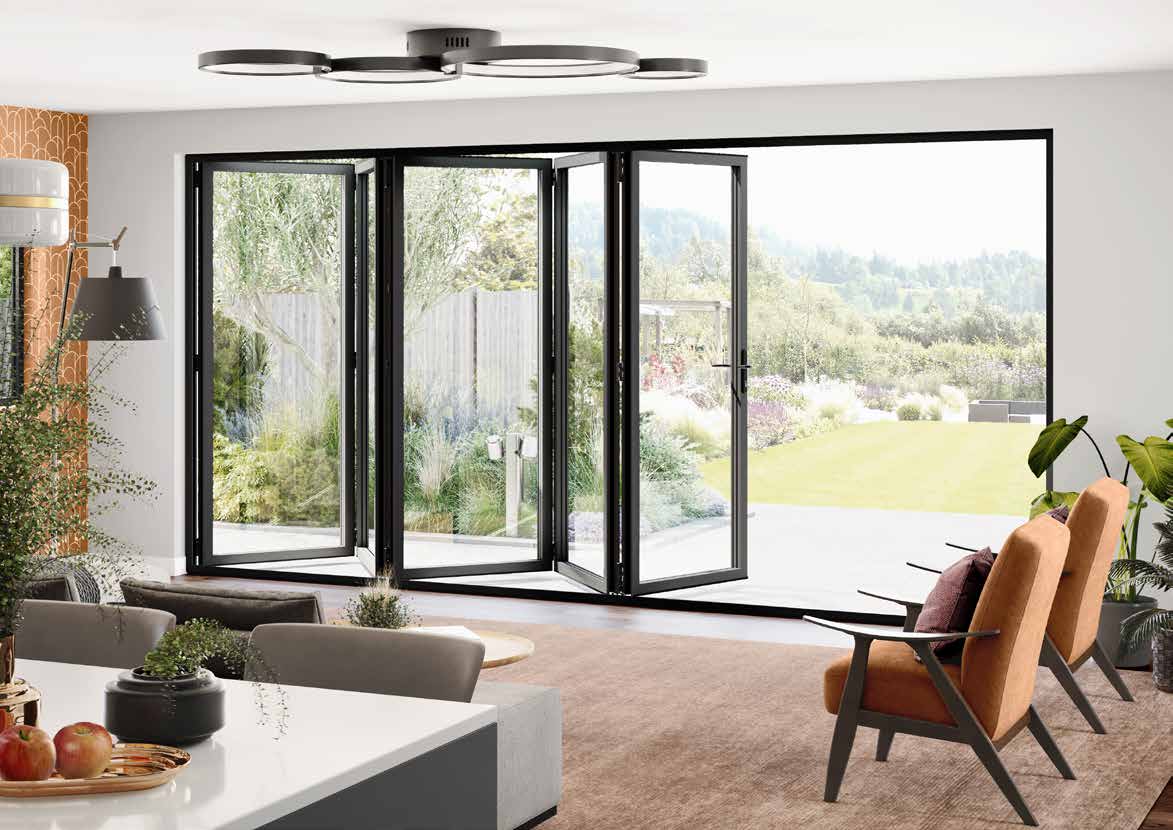 Slimline Bi-fold DoorsThe usual ask on Hale Barns’ larger detached properties, where slim frames buy noticeably more glass.Learn more
 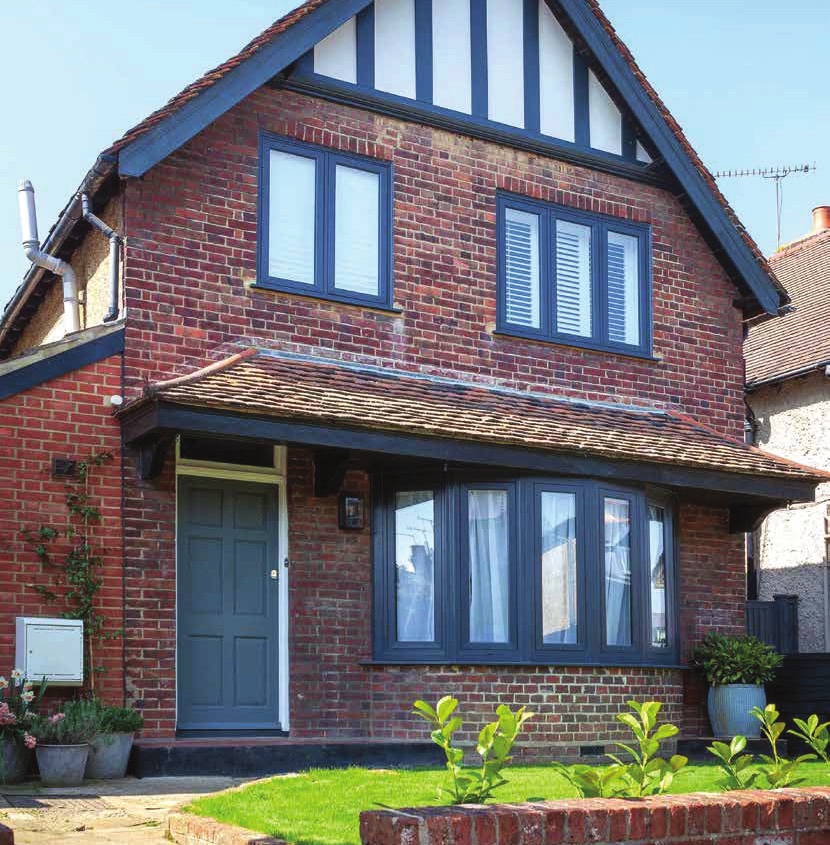 Flush Casement WindowsLevel with the brickwork — the sympathetic option where original joinery sets the reference.Learn more
  Replacement Glass UnitsFailed units replaced in your existing frames, which keeps original joinery in place entirely.Learn more
 Hale — common questions
Can I put uPVC windows in a Hale conservation area?
Legally, usually yes — none of Hale’s three conservation areas carries an Article 4 Direction, so replacing windows on a house is normally permitted development. But Trafford’s own appraisal records that original frames and glazing here have remained remarkably intact and states that uPVC on historic buildings is inappropriate, and the council can act where a replacement harms the area’s character. On a property that still has its original joinery, replacing just the failed glazing is often the better answer.
Is Hale Barns treated the same as Hale?
No, and it is a useful distinction. Hale Barns has no conservation area of its own, so none of the heritage controls that apply around Hale Station, South Hale or Ashley Heath apply there. Trafford’s adopted design code describes it separately, for its grand detached villas in tree-lined streets. In practice that means a freer hand on materials and a survey that is mostly about the size of the openings.
Are you accredited?
Yes. We are a member of Certass, a UK accreditation body that ensures all installations comply with the latest Building Regulations.
Is your work guaranteed?
Yes. We are licensed by the Consumer Protection Association (CPA) to issue insurance-backed guarantees with all installations.
We also cover
Hale sits right on the Cheshire border, so we cover both sides of it as a matter of course.
A simple, four-step process
-
01
Free survey & quote
We visit, take precise measurements and give honest, no-obligation advice and a fixed price.
-
02
Made to measure
Your windows and doors are manufactured to exact spec using trusted uPVC and aluminium systems.
-
03
Expert installation
Our time-served fitters install with care, precision and full respect for your home.
-
04
Aftercare & guarantee
We tidy up, walk you through everything and back the work with an insurance-backed guarantee.
Ready for a free, no-obligation quote?
Tell us about your project and our friendly team will be in touch. No pressure, no hard sell.